Imagine a vast, golden savannah stretching to the horizon, dotted with acacia trees silhouetted against an impossibly blue sky. The air crackles with the distant rumble of thunder, the rustle of tall grass, and the faint, primal roar of a lion. This isn’t just a dream; this is the everyday reality of the Masai Mara National Reserve, a place where the pulse of untamed Africa beats with an exhilarating, unforgettable rhythm.
For travelers seeking profound connection with nature, the Masai Mara in Kenya isn’t just a destination; it’s a pilgrimage. It’s where you witness life and death played out on an epic stage, where every sunrise paints a new masterpiece, and every moment is a reminder of the wild Earth’s majestic power.
A Symphony of Life: The Unparalleled Wildlife Spectacle
The Mara is, without a doubt, one of the greatest wildlife viewing areas on the planet. Here, the “Big Five” – lion, leopard, elephant, rhino, and buffalo – roam free, often spotted within a single game drive. But the sheer abundance goes far beyond that.
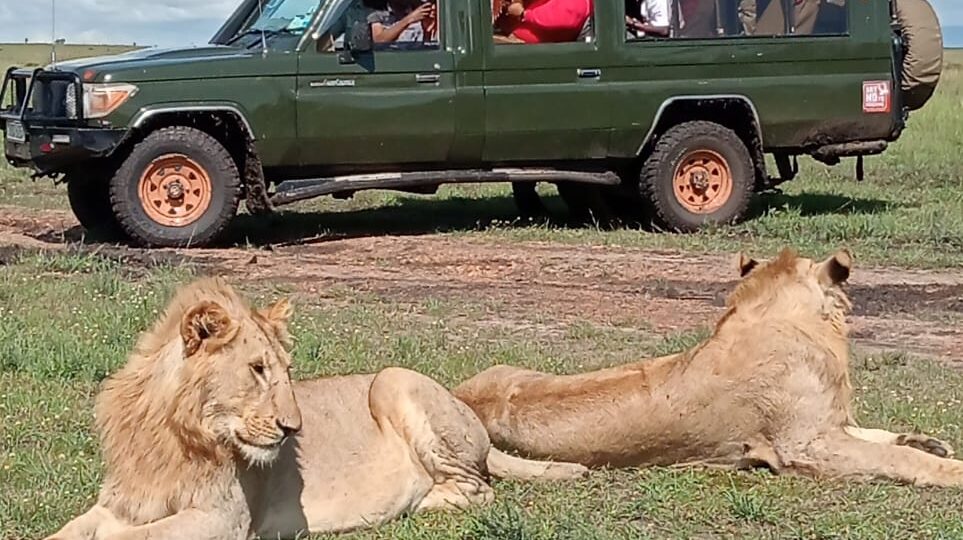
Lions: Majestic prides lounge in the shade, their cubs playfully tumbling, or stalk their prey with an intensity that will leave you breathless.
Cheetahs & Leopards: Elusive and graceful, catching a glimpse of these apex predators is a true privilege, often seen perched on a termite mound or draped over a tree branch.
Elephants & Giraffes: Gentle giants move in silent procession, while graceful giraffes nibble on acacia leaves, their long necks stretching towards the sky.
Zebra & Wildebeest: Vast herds create a living, breathing tapestry across the plains, their stripes and patterns blurring into a mesmerizing landscape.
Hippos & Crocodiles: The Mara River teems with life, from the grunting hippos submerged in its waters to the ancient crocodiles lurking beneath the surface.
Every game drive is an unpredictable adventure, guided by expert rangers who possess an encyclopedic knowledge of the ecosystem and an uncanny ability to spot even the most camouflaged creatures.
The Great Migration: Nature’s Greatest Show
From July to October, the Masai Mara becomes the dramatic stage for “The Great Migration,” often dubbed the “Eighth Wonder of the World.” Millions of wildebeest, accompanied by zebras and gazelles, make their perilous journey from Tanzania’s Serengeti in search of greener pastures.
The most iconic and heart-stopping spectacle of this migration is the Mara River crossing. Here, the herds plunge into crocodile-infested waters, braving strong currents and lurking predators, a raw and powerful testament to the circle of life. Witnessing this unfathomable force of nature is an experience that will forever be etched in your memory.
Beyond the Animals: The Heart of the Maasai Culture
The Masai Mara is not just about its wildlife; it’s also the ancestral home of the Maasai people, a proud and distinctive semi-nomadic tribe known for their vibrant red shukas (robes), intricate beadwork, and rich cultural traditions.
Visiting a Maasai village offers a profound insight into their way of life, their deep connection to the land, and their efforts in wildlife conservation. Their songs, dances, and stories are a beautiful counterpoint to the wild beauty surrounding them, enriching your overall safari experience.
The Safari Experience: More Than Just Sightseeing
A trip to the Mara is an immersive experience for all the senses:
The Sounds: The dawn chorus of birds, the distant hoot of an owl, the rustle of grass, the deep roar of a lion at night.
The Smells: The earthy scent after a sudden shower, the dry dust of the plains, the subtle aroma of wild herbs.
The Sights: Golden sunrises painting the sky in fiery hues, spectacular sunsets that ignite the horizon, and the endless expanse of the savannah under the vast African sky.
The Feeling: A sense of true freedom, exhilaration, and profound peace that only wilderness can bring.
Whether you’re staying in a luxurious tented camp with all the comforts of home, or a rustic eco-lodge designed for minimal impact, you’ll be enveloped in the magic of the bush, waking up to the sounds of nature and falling asleep under a blanket of a million stars.
Planning Your Masai Mara Adventure
Best Time to Visit: For the Great Migration, aim for July to October. However, the Mara offers excellent wildlife viewing year-round. The “green season” (November to May) offers lush landscapes, fewer crowds, and often better rates.
Responsible Tourism: Choose reputable safari operators and lodges that prioritize conservation and community engagement. Support local Maasai initiatives.
Pack Smart: Light clothing, layers for cooler evenings, sturdy walking shoes, a wide-brimmed hat, sunglasses, high SPF sunscreen, insect repellent, and crucially, a good camera with a zoom lens!
The Masai Mara is more than a destination; it’s an awakening. It’s a place that reconnects you with the raw power of nature, inspires awe, and leaves an indelible mark on your soul. If you’ve ever dreamed of hearing the wild heart of Africa beat, the Masai Mara is calling you home.
Have you been to the Masai Mara? What was your most unforgettable moment? Share your stories in the comments below!