Amboseli national park
The Land of Giants and Kilimanjaro Views
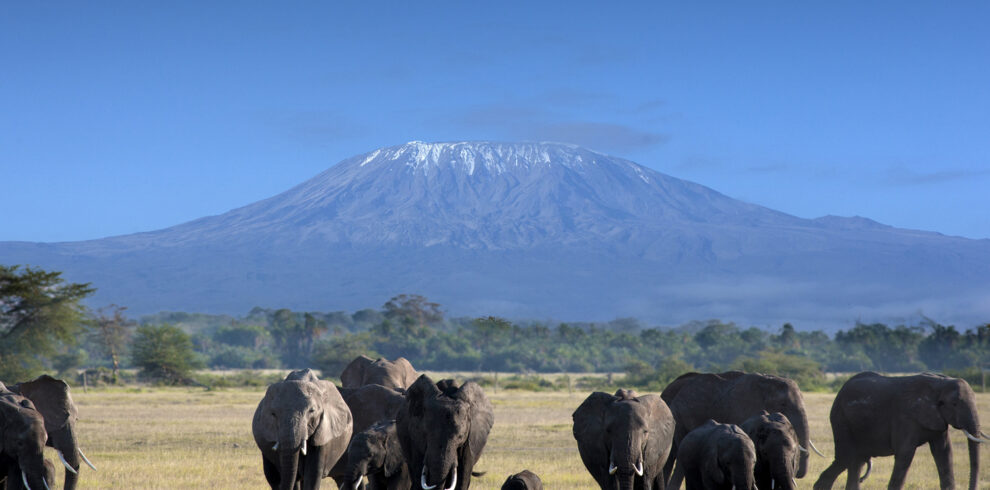
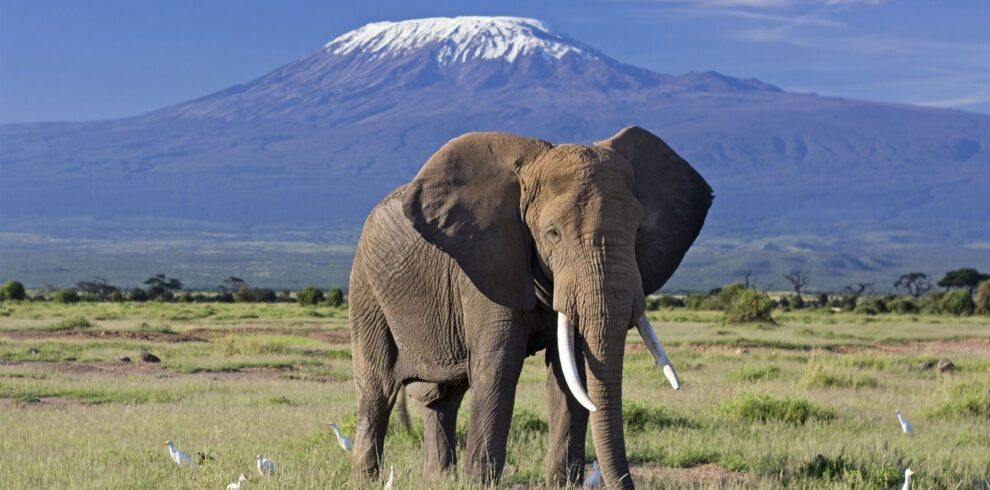
Located near the Tanzanian border, Amboseli offers one of the most iconic views in all of Africa: vast plains dominated by huge herds of elephants, all framed perfectly against the snow-capped peak of Mount Kilimanjaro.
Why Visit: Amboseli’s landscape is unique, featuring dry lake beds, sulfur springs, and extensive wetlands. It is perhaps the best place in the world to observe massive elephants up close, many of which are part of long-term conservation research projects. The sheer scale and photogenic quality of Amboseli are unmatched.
Classic game drives
This is the quintessential Kenyan experience, often conducted in robust 4×4 vehicles with open roofs for optimal viewing and photography.
Description: Professional guides, utilizing their deep knowledge of animal behavior and tracking skills, lead guests through national parks and conservancies. Day drives focus on maximizing sightings of large herds, predators, and unique regional species. Night drives (often restricted to private conservancies) offer a completely different perspective, searching for nocturnal creatures like aardvarks, bush babies, and lions on the hunt.
Horse riding safari
For confident riders, approaching wildlife on horseback offers a thrilling and surprisingly discreet way to observe animals.
Available primarily in private conservancies, guests ride well-schooled safari horses into the plains. Because the horses are viewed as neutral grazing animals by the local wildlife, you can often get much closer to species like zebras, giraffes, and various antelopes than you could in a vehicle. It offers a wonderful sense of freedom and connection to the vast landscape.
Hot air balloon rides
Imagine floating silently above the Maasai Mara as the rising sun paints the plains in gold—it’s an almost spiritual experience.
Starting before dawn, guests board a massive hot air balloon. As the sun rises, the balloon ascends, offering a panoramic, bird’s-eye view of the landscape below. This is an unparalleled way to witness the sheer scale of the savannah and observe animals like elephants and giraffes from above. The activity usually culminates in a champagne breakfast served right in the bush upon landing.
Masai cultural visit
A safari in Kenya is incomplete without engaging with the people who call this magnificent land home.
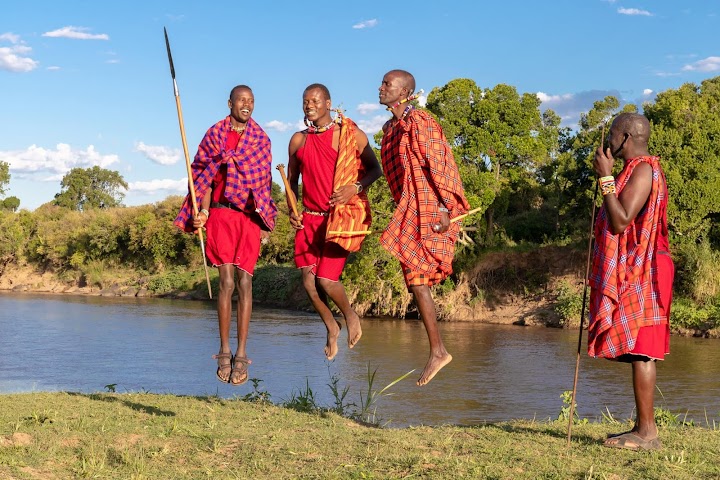
Many reputable camps and lodges partner with local tribes, most famously the Maasai or Samburu. Guests are welcomed into genuine villages (enkangs) to learn about their traditions, including fire-making, herding practices, traditional dances, and the meaning behind their distinctive brightly colored shukas (robes) and intricate beaded jewelry. This offers invaluable insight into the symbiotic relationship between the communities and the wildlife.
Photography safari
Kenya is a photographer’s dream, and specialized activities help capture magazine-worthy shots.
While all safaris are suitable for photography, dedicated photographic safaris often use specialized vehicles designed to offer low-angle shots and stable platforms (bean bags or custom mounts). Additionally, some lodges feature underground hides built near active watering holes. These hides allow guests to sit safely at eye-level with animals, offering incredible, unobstructed views as they come to drink.
Sundowners
A beloved safari ritual, the sundowner elevates the simple act of having a drink into a magical photo opportunity.
As the day’s drive concludes, the guide drives the vehicle to a scenic spot—often a kopje (small hill) or overlooking a watering hole—just as the African sun begins its dramatic descent. Chairs are set up, and drinks (often including gin and tonics or Tusker beer) and snacks are served. It’s a moment of quiet reflection, allowing guests to absorb the beauty of the sunset and the surrounding wilderness before heading back to camp.
Walking safaris
Trade the rumble of the engine for the crunch of earth under your boots and connect with the wilderness on an intimate scale.
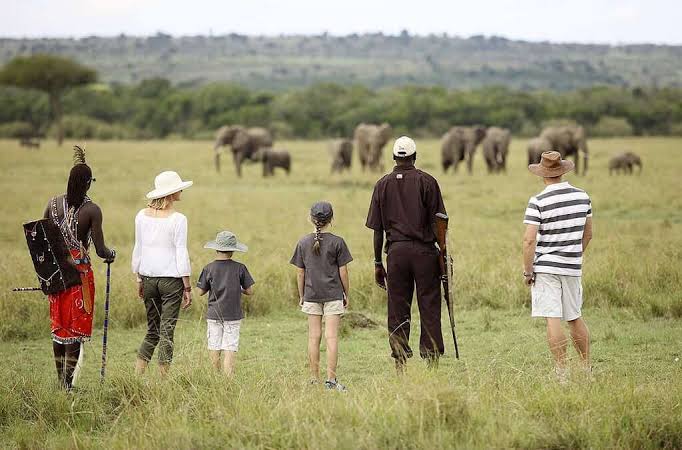
Accompanied by experienced, armed guides and often a local ranger or tracker, guests venture out on foot. The focus shifts from spotting big herds to observing smaller details: insects, birdlife, tracks, medicinal plants, and geology. This activity is intensely sensory, allowing you to smell the wild sage and feel the anticipation of moving through the animals’ territory.